Since 1869
The sugar capital
Ivan Kharytonenko built a sugar refinery in Sumy in 1869; his son Pavlo inherited seven sugar mills and the refinery. By the early 20th century Pavlo's capital in the trading house topped 15 million roubles, which paid for the mansions, cathedrals and cadet school he gave the city.
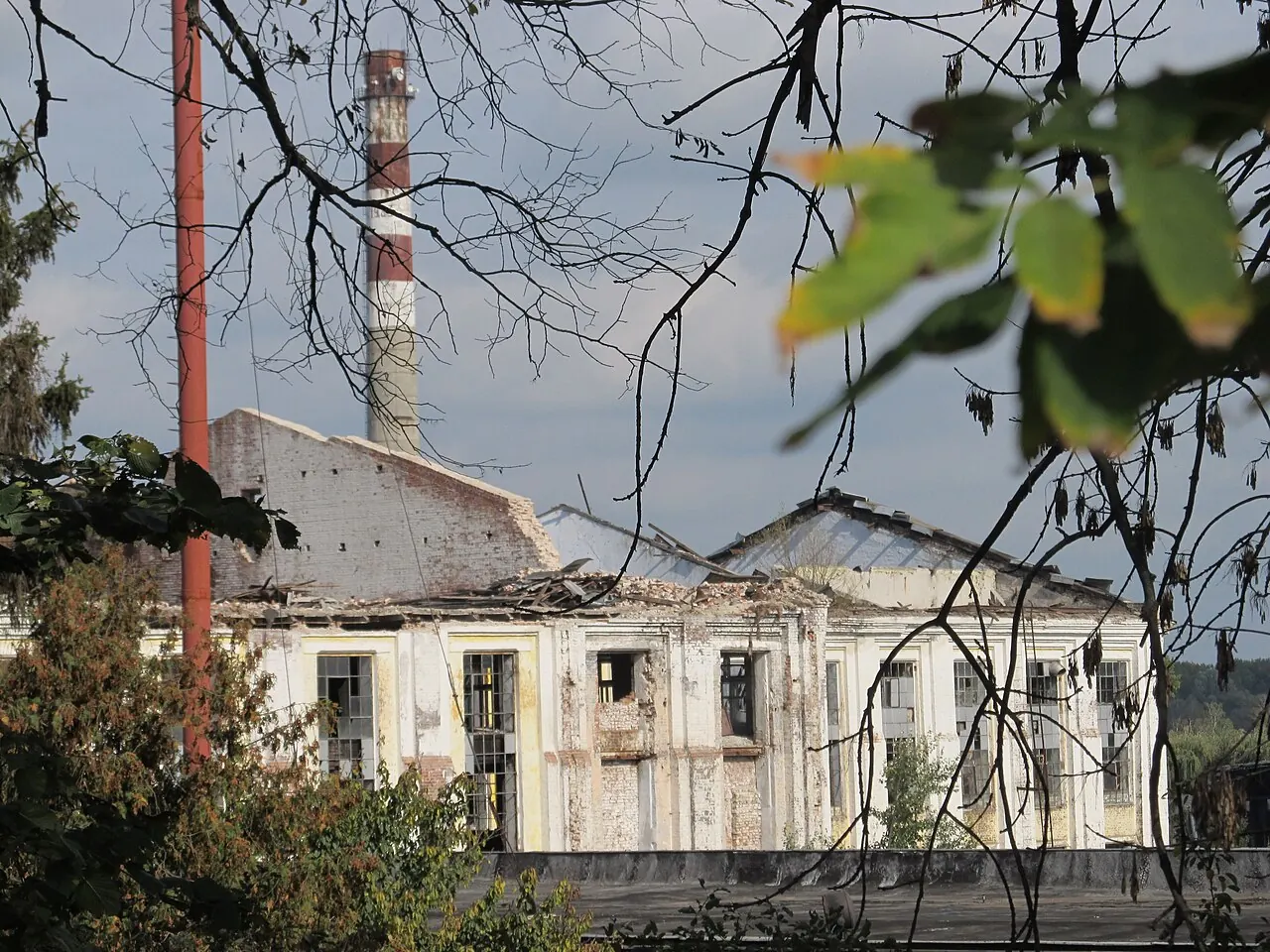
In the late 1980s the refinery, then called Chervonozoriany, turned out 290–300 thousand tonnes of pressed sugar a year and was among the largest in Europe. It closed in 2008, and only ruins remain.
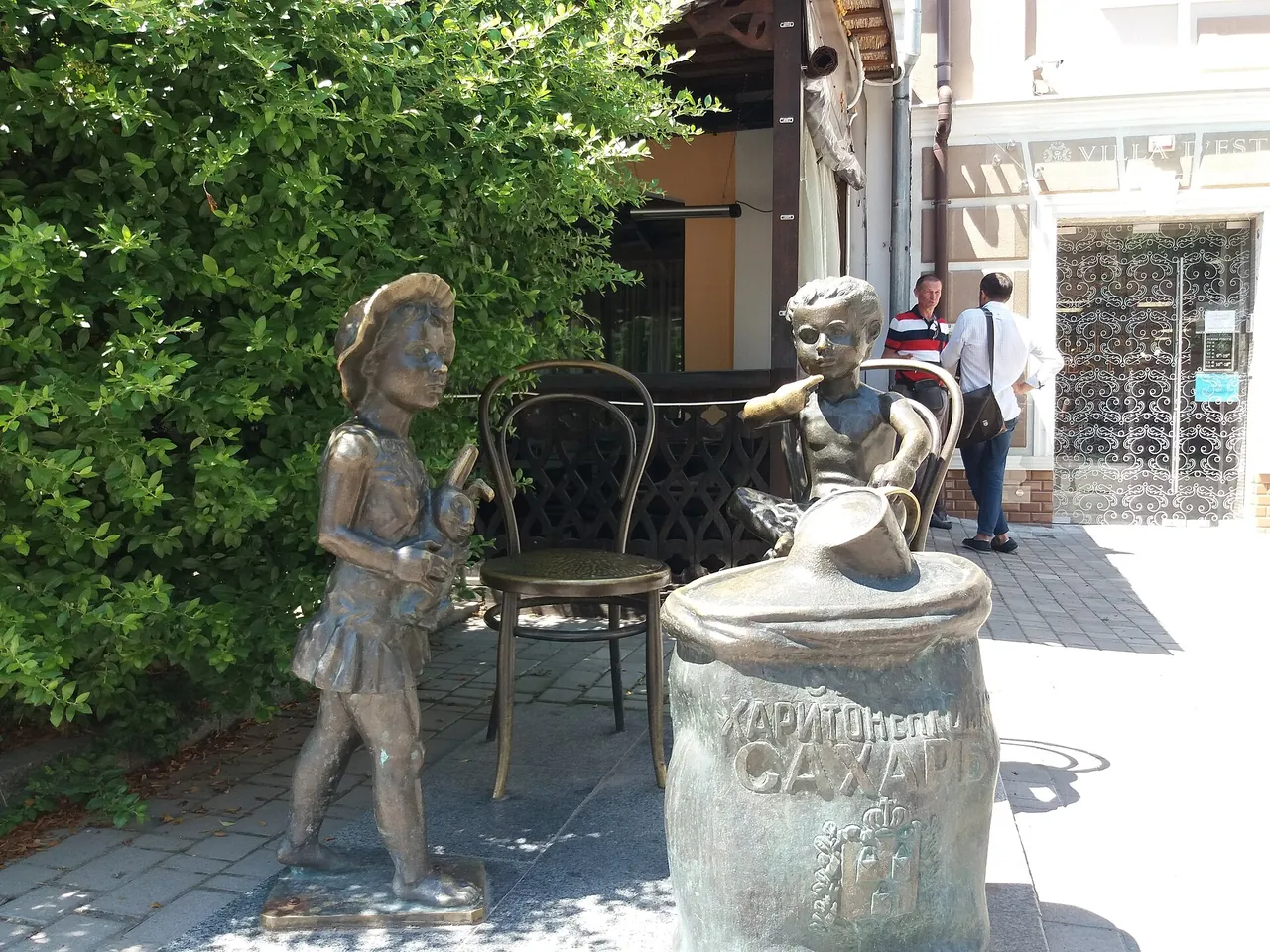
Sugar is remembered in the centre: the Ivan Kharytonenko monument (1899, recreated 1996), a sugar cube opposite it (2010) and the bronze 'Sweet Tooths' on Voskresenska St (2007), a boy eating sugar straight from the sack.

Made in Sumy
Producers
Horobyna
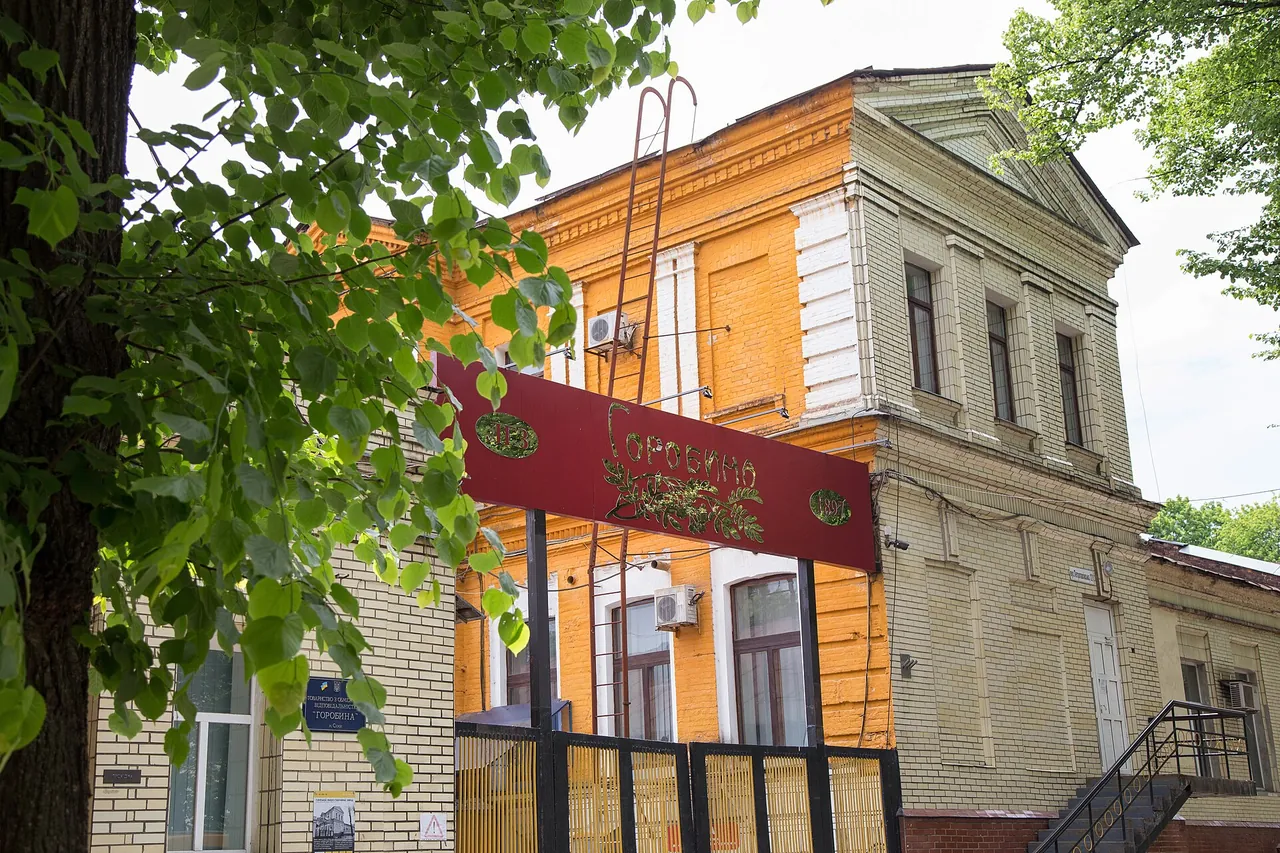
The distillery traces its history to an excise patent of 12 July 1897: state wine warehouse No. 7 was built in Sumy in 1896 and made vodka for the treasury from 1898. The 1897 building is still a working shop. The plant makes more than 30 products under brands such as Horobyna, Hubernia and Sumskyi Dvir, and even kvass, and is the only producer of its kind in the region.
Bread, milk, sweets
The Sumy confectionery factory has made marshmallow, jelly sweets, wafers, caramel and halva since 1975. The bread plant makes about a hundred products. The war hits food makers too: on 18 April 2025 Shahed drones struck the Easter-bread shop of a local bakery, killing its owner, and the Sumy dairy halted temporarily in July 2026 because of shelling and power and water cuts.
The city brewery no longer operates; beer for the region is now brewed in the village of Ivolzhanske. The meat plant and the cannery have closed too.
1981–1986
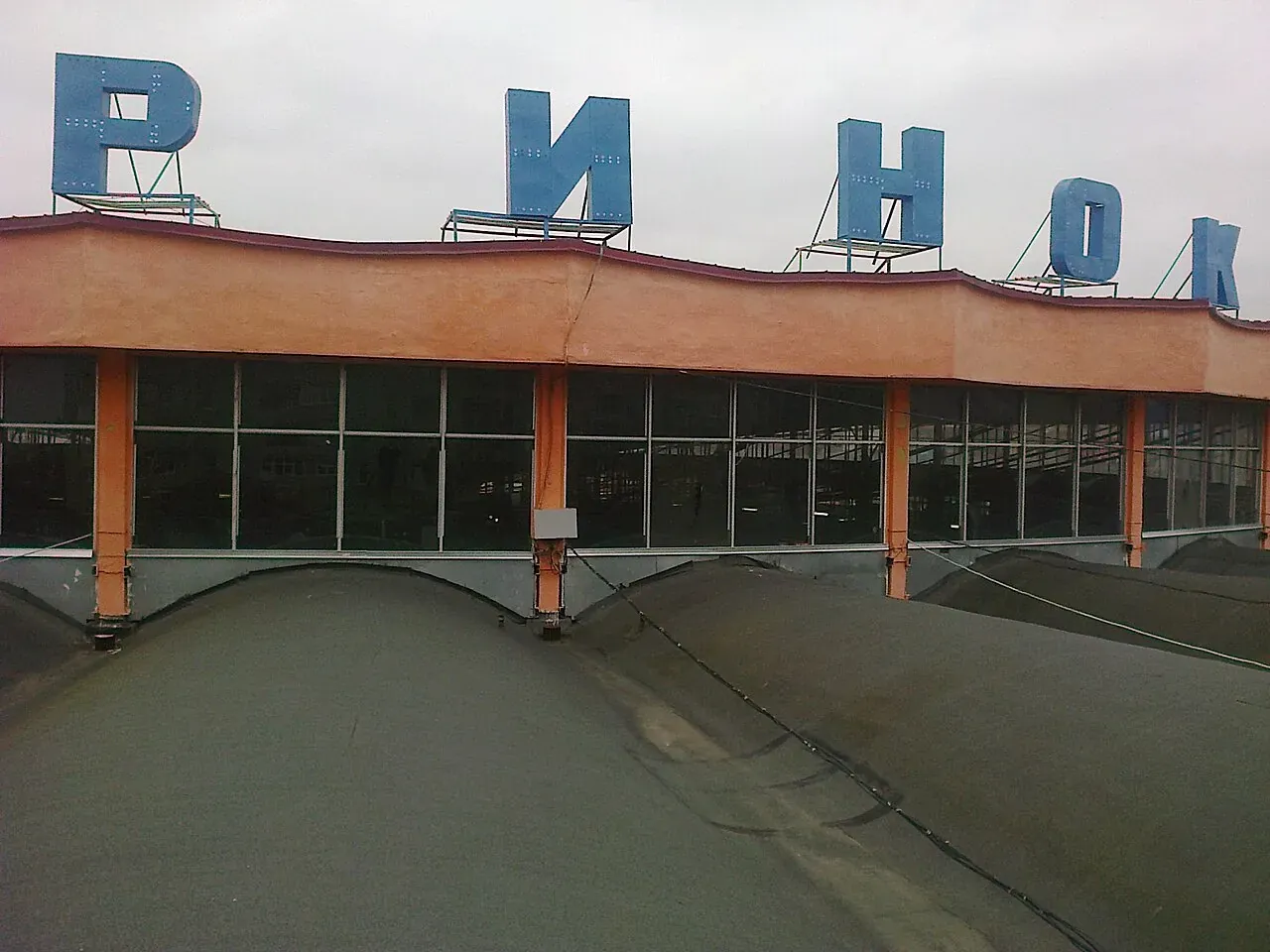
The Central Market, or 'Daisy'
A covered market was in the master plan as early as 1969. The city's chief architect Mykola Ilchenko turned down the standard Kharkiv design and chose a round domed one, drawn up for Ulyanovsk but never built there. Work began in 1981, stopped in 1983 for lack of money and finished in 1986.
The inner court is more than 56 m across under a cable-stayed roof, and the building's shape earned it the nickname 'Daisy'. In the 1990s the market spread around it over about 5 hectares. On 15 August 2025 a Russian drone hit the market.
What to try
Dishes of the Sumy region
There is no single 'Sumy' dish, but food tourism researchers link several recipes directly to villages in the region:
- Mutyn dumplings filled with millet porridge and poppy seed, served with boiled potatoes;
- Krolevets borscht with apples, Horiuny pies, oven potatoes Nedryhailiv style and Christmas flatbreads;
- 'Cossack babka', a potato mash from Pustovoitivka;
- tub-fermented sauerkraut, barrel-soaked apples and chicory-root 'coffee'.
These dishes were served at the Christmas food festival Slobozhanski Smaky in Sumy.
Festivals
Fairs and festivals
City Day falls on the first Saturday of September (5 September in 2026). The official founding year is 1655, though some historians give 1652.
Fairs. In the 19th century Sumy held three or four big fairs a year and was part of the travelling wholesale Vozdvyzhensky fair circuit. Nearby Romny hosted one of Ukraine's largest fairs until 1852.
Krolevets towels. The woven towels of Krolevets in Sumy region have been on Ukraine's national list of intangible cultural heritage since 2018.
The hemp festival in the Sadivska community near Sumy held its eighth edition in August 2025, with hemp halva, biscuits, oil and fruit leather.